
April 27, 2026
Thatched homes offer a distinctive beauty that sets them apart from modern properties. Their natural materials and traditional craftsmanship create a warm and characterful finish that many homeowners value deeply. At J Challis Master Thatcher, we work closely with clients who want to preserve that heritage while ensuring their property meets modern safety expectations. Fire safety is often one of the first concerns raised by homeowners. The good news is that with the right approach, a thatched roof can be both visually stunning and highly secure.
This guide from J Challis Master Thatcher explores the most effective ways to reduce risk while maintaining the integrity of your home.
Understanding Fire Risk in Thatched Homes
There is a long standing belief that thatched properties are especially vulnerable to fire. In reality, most incidents are linked to preventable issues rather than the thatch itself. Common contributing factors include poorly maintained chimneys, uncontrolled heat sources and outdated electrical systems. By addressing these areas early, homeowners can significantly lower the likelihood of fire. At J Challis Master Thatcher, we prioritise education alongside our services, helping clients understand how their roofing system interacts with the rest of the property.
Chimney Maintenance Is Essential
A well maintained chimney is one of the most important elements of fire prevention in a thatched home. Heat, soot build up and escaping embers can all pose risks if not properly managed. Working with experienced professionals ensures your chimney performs safely and efficiently. At J Challis Master Thatcher, we regularly advise clients on chimney height, lining and general condition as part of a wider roofing assessment.
Key steps to follow:
- Arrange annual chimney inspections
- Use a sweep familiar with thatched properties
- Install or upgrade chimney liners where needed
- Ensure the stack height is appropriate for the roof
Taking these steps not only improves safety but also supports the long term condition of your thatch.
Fire Barriers and Protective Measures
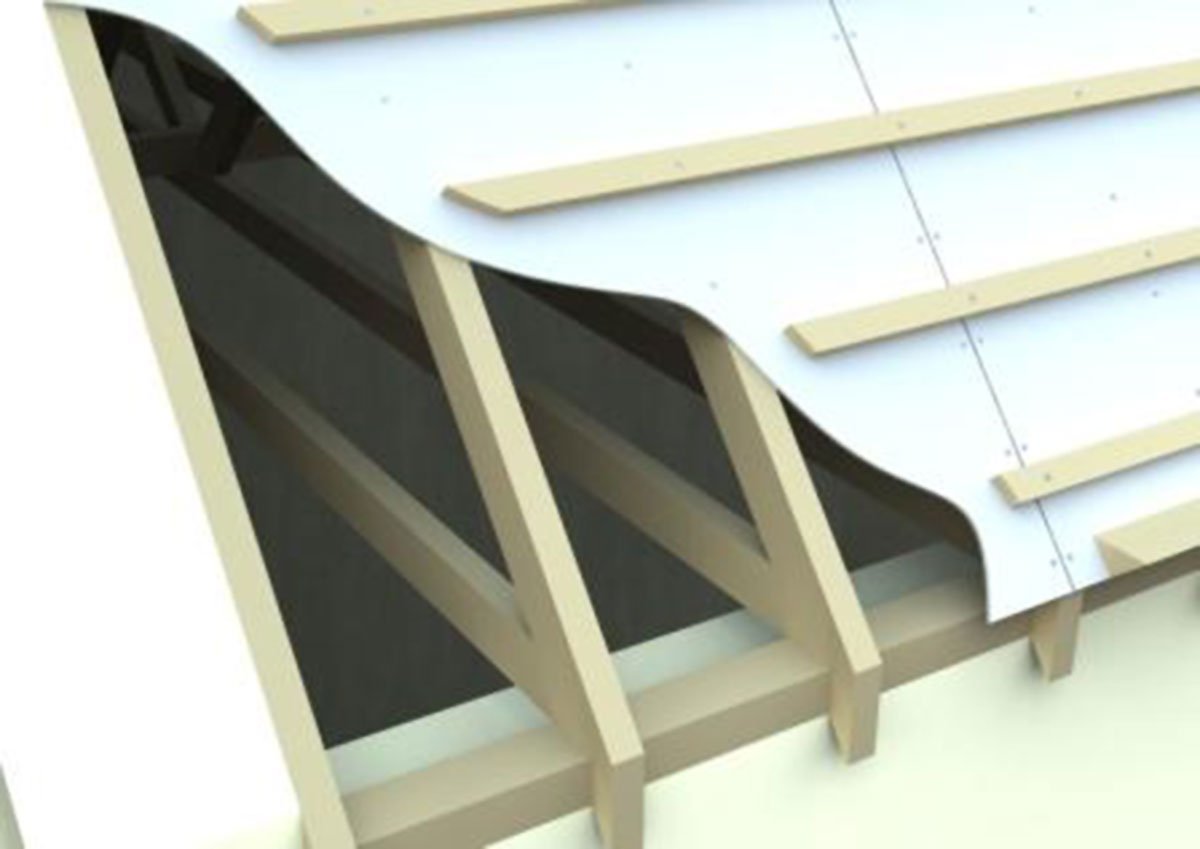
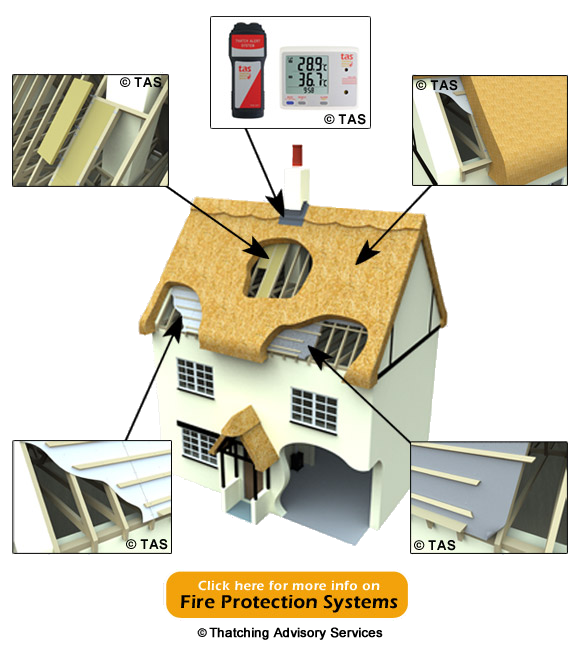
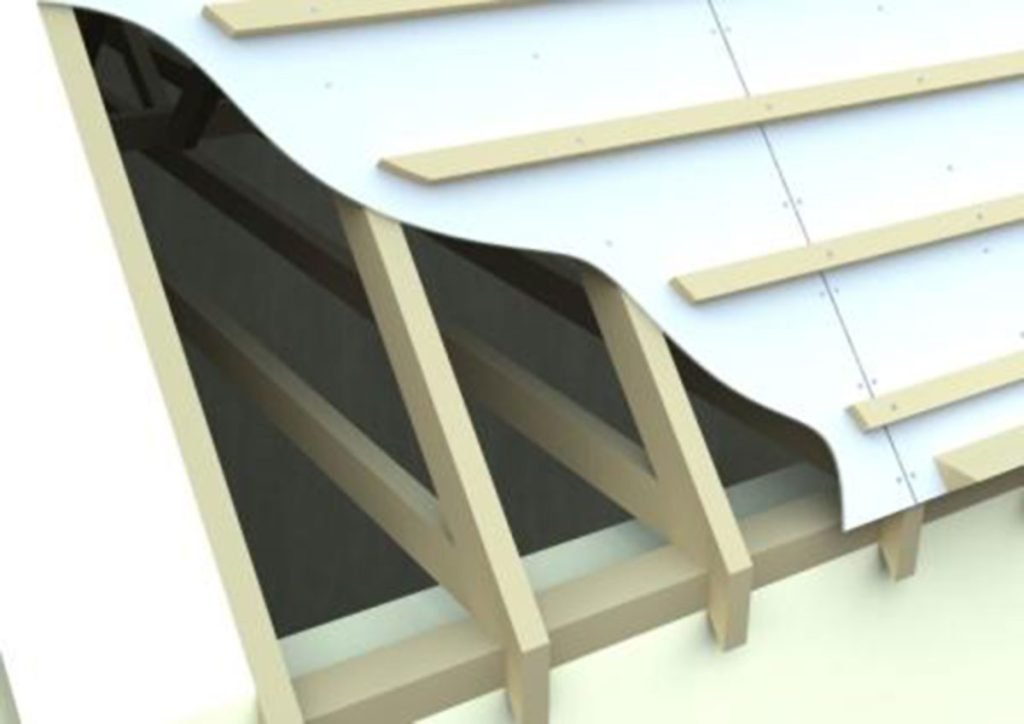
Modern fire protection can be integrated into a thatched roof without compromising its traditional appearance. This is an area where expert craftsmanship makes a real difference. At J Challis Master Thatcher, we incorporate protective elements during new installations and refurbishment projects, giving homeowners peace of mind without altering the aesthetic of the property. Fire boards, barrier systems and carefully selected materials all play a role in slowing the spread of heat and flame, should an incident occur.
Safe Use of Wood Burners and Open Fires
Open fires and wood burners are often central to the character of a thatched home. While they are perfectly suitable, they do require careful use. Homeowners should be mindful of fuel quality, airflow and general fire management. Small adjustments in daily habits can make a meaningful difference to overall safety. At J Challis Master Thatcher, we often remind clients that responsible use of heating features is just as important as the structural elements of the roof itself.
Electrical Safety and Internal Risks
Fire safety is not limited to the roof. Internal systems can present just as much risk if they are not properly maintained. Older properties in particular may require electrical updates to meet current standards. Regular inspections and professional upgrades help prevent faults that could otherwise develop into serious issues. J Challis Master Thatcher encourages homeowners to view fire safety as a whole property consideration, not just a roofing concern.
Managing Outdoor Fire Hazards
External sources of heat can also threaten a thatched property. Activities in the garden or surrounding area should always be carried out with care.
Be mindful of:
- Positioning of barbecues and fire pits
- Use of fireworks or lanterns nearby
- Controlled burning or bonfires
- Equipment that generates heat or sparks
Maintaining a safe distance between these activities and your home is a simple yet effective precaution.
Detection and Prevention Systems
Early detection plays a crucial role in limiting damage and protecting occupants. Modern systems can be installed discreetly and tailored to suit traditional homes. Smoke alarms, heat detectors and suppression systems all contribute to a layered approach to safety. When combined with a well maintained roof, they create a strong line of defence. At J Challis Master Thatcher, we often collaborate with other specialists to ensure clients have access to the most suitable safety solutions for their property.
The Value of Regular Roof Inspections
Routine inspections are essential for maintaining both safety and performance. Over time, natural wear can affect the density and condition of thatch, which in turn can influence how it responds to heat. A professional assessment provides clarity on the state of your roof and highlights any areas that may require attention. J Challis Master Thatcher offers detailed inspections designed to extend the lifespan of your thatch while supporting fire safety best practices.
Choosing the Right Thatched Roofing Specialist
Not all thatching services are the same. Experience, attention to detail and an understanding of modern safety expectations are key factors when selecting a contractor. Working with J Challis Master Thatcher means choosing a team that values both tradition and innovation. Our approach combines time honoured techniques with practical safety enhancements, ensuring every project meets the highest standards. Whether you are considering a new thatched roof or maintaining an existing one, professional guidance can make a significant difference.
Final Thoughts
Fire safety for thatched properties is about informed decisions and consistent care. By addressing potential risks, maintaining key features and working with experienced professionals, homeowners can enjoy the full benefits of a thatched roof with confidence. J Challis Master Thatcher remains committed to delivering roofing solutions that are as safe as they are beautiful, helping clients protect their homes for years to come.
FAQs
1. Are thatched roofs safe in modern homes?
Yes, thatched roofs can be very safe when installed and maintained correctly. Most fire risks come from external factors such as chimneys or electrical faults rather than the thatch itself. With guidance from specialists like J Challis Master Thatcher, homeowners can take practical steps to ensure their property meets modern safety expectations.
2. What role does chimney height play in fire safety?
Chimney height is crucial because it helps disperse heat, smoke and embers safely away from the roof. If a chimney is too low, sparks are more likely to come into contact with the thatch. J Challis Master Thatcher can assess your chimney and recommend adjustments that improve both safety and performance.
3. Can fire protection be added to an existing thatched roof?
In many cases, additional fire protection can be installed during maintenance or refurbishment work. This may include barriers, fire boards or other discreet systems. A professional assessment from J Challis Master Thatcher will help determine the most suitable options for your specific property.
4. How often should I maintain my thatched roof?
It is recommended to have your roof professionally inspected at least once a year, along with periodic maintenance as needed. Regular care not only extends the life of the thatch but also helps identify any potential safety concerns early, something J Challis Master Thatcher supports through detailed inspection services.
5. Why should I choose a specialist thatcher?
Thatched roofing requires a unique combination of traditional skill and modern safety knowledge. A specialist such as J Challis Master Thatcher understands how to preserve the appearance of your home while incorporating effective fire prevention measures, giving you confidence in both the look and safety of your property.