
March 24, 2026
Sustainability is no longer a niche concern. It is shaping how we build, renovate and maintain our homes across the UK. As a result, traditional materials are being re-evaluated through a modern lens and one stands out more than most: thatch.
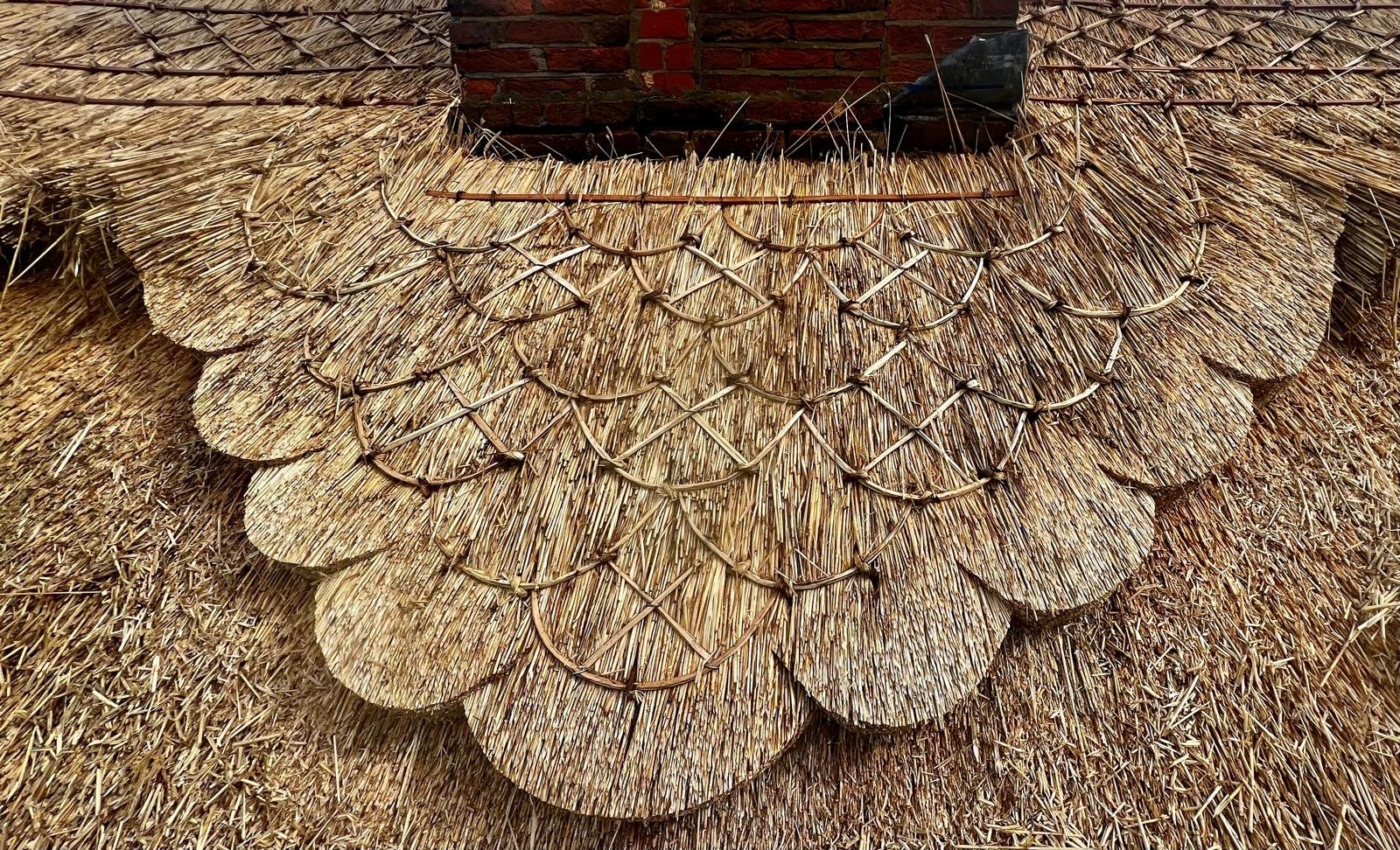
Often associated with heritage cottages, thatched roofing is now recognised as one of the most environmentally responsible choices available.
So what makes thatch so sustainable?
A Material That Grows Back
Unlike synthetic roofing products, thatch comes directly from nature.
It is typically made from water reed, combed wheat reed or long straw. These materials are harvested crops, meaning they can be regrown season after season without depleting natural resources.
That simple fact gives thatch a major advantage. It is not mined, manufactured or chemically produced. It is grown.
For homeowners looking to reduce environmental impact at the source, this makes a meaningful difference.
A Lighter Impact on the Planet
When you compare thatch to modern roofing materials, the contrast is clear.
Concrete tiles and metal roofing require intensive manufacturing processes, high energy use and long supply chains. Thatch, on the other hand, involves minimal processing and is often sourced locally.
Working with experienced specialists such as J Challis Master Thatcher also helps reduce unnecessary transport and waste, as materials are selected, prepared and installed with efficiency in mind.
The result is a roofing solution with a significantly lower carbon footprint.
Natural Insulation That Works Year Round
One of the most overlooked benefits of thatch is how well it performs as insulation.
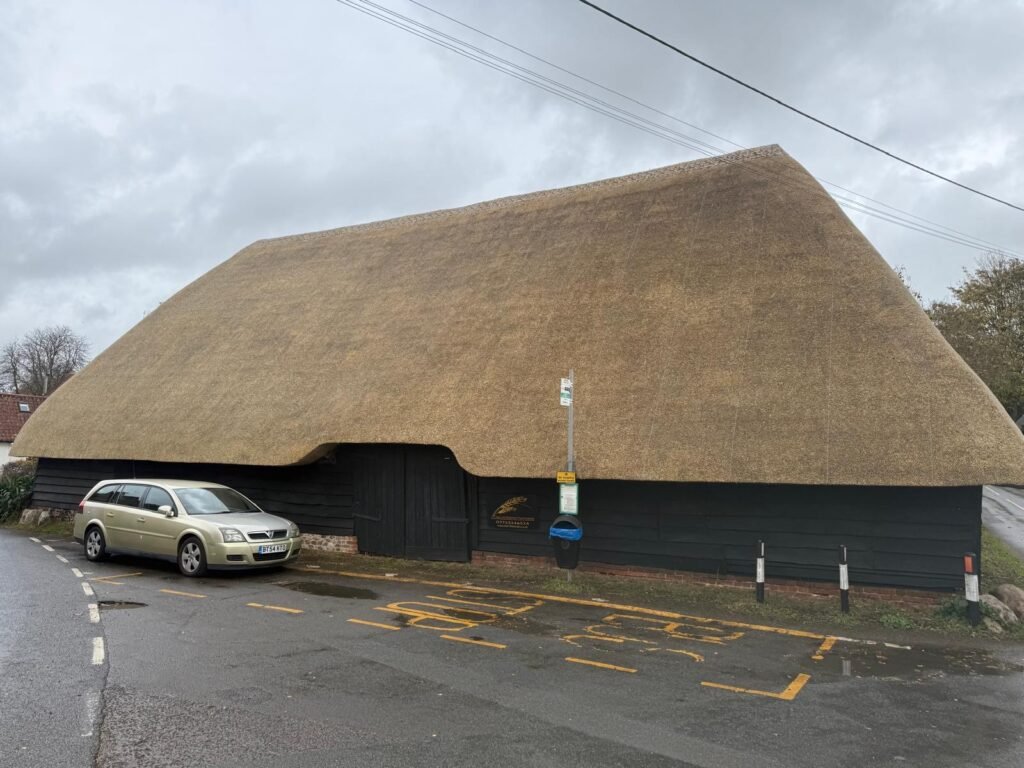
The thick layers of natural material trap air, creating a barrier that helps regulate indoor temperature.
• In winter, heat is retained within the home
• In summer, excess heat is kept out
This natural temperature control reduces reliance on central heating and air conditioning. Over time, that means lower energy consumption and reduced household emissions.
It is a practical benefit you notice every day, not just an environmental talking point.
Not Just Sustainable. Circular.
Modern construction often creates waste that lingers for decades. Thatch does not.
At the end of its life, old thatching material can be composted or naturally broken down. Even during repairs, the waste produced is organic and minimal.
In simple terms, thatch fits into a circular lifecycle:
Grow → Harvest → Use → Return to the earth
That is sustainability in its purest form.
Supporting Wildlife and Local Ecosystems
Thatch does more than sit on a roof. It becomes part of the surrounding environment.
The natural structure can provide shelter for insects and birds, supporting biodiversity in both rural and semi rural settings. Unlike harsher, artificial materials, thatch integrates into the landscape rather than disrupting it.
For properties in countryside locations or conservation areas, this is a valuable and often overlooked benefit.
Built to Last with the Right Care
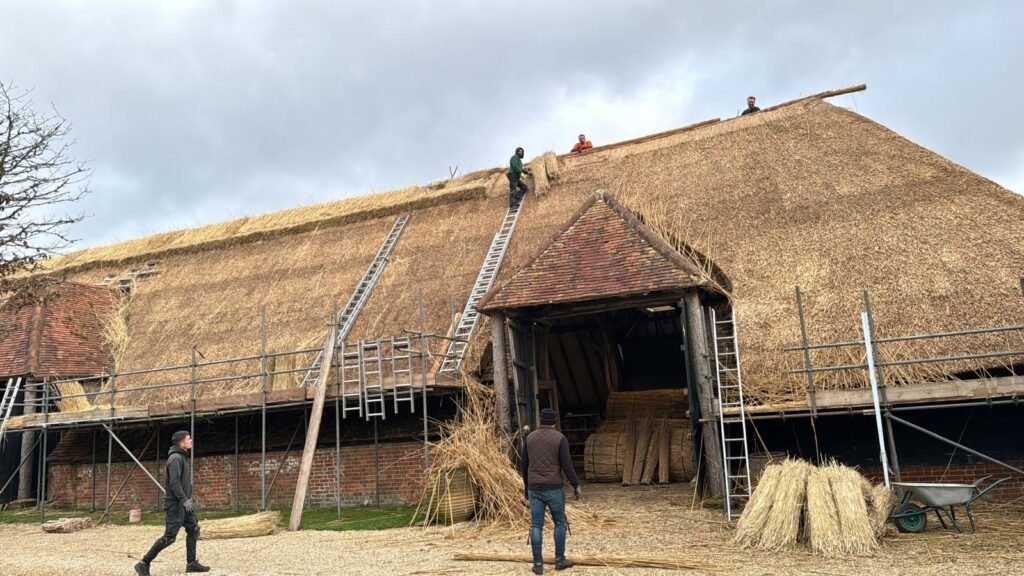
There is a common misconception that thatch needs constant replacement.
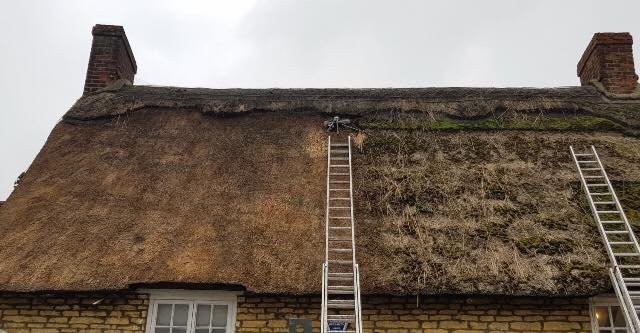
In reality, a well installed and properly maintained thatched roof can last for decades. Water reed, for example, can often last between 40 and 60 years.
Routine inspections and timely maintenance are key. Skilled thatchers, including experienced teams like J Challis Master Thatcher, ensure the roof remains in excellent condition while preserving its environmental benefits over time.
Longevity plays a big role in sustainability and thatch delivers on this front.
A Traditional Craft That Still Matters
Choosing thatch is not just about materials. It is also about supporting a skilled trade.
Thatching is a craft that has been passed down through generations. By investing in it today, homeowners help preserve specialist knowledge that might otherwise be lost.
At the same time, modern thatching techniques have evolved to improve durability and performance, blending tradition with current standards.
It is a rare example of heritage and sustainability working hand in hand.
A Natural Look That Fits the Landscape
There is also the visual side to consider.
Thatch has a softness and texture that modern materials struggle to replicate. It allows buildings to sit comfortably within their surroundings, particularly in rural settings.
This natural aesthetic often complements planning requirements in conservation areas, where both environmental and visual impact are important.
Final Thoughts
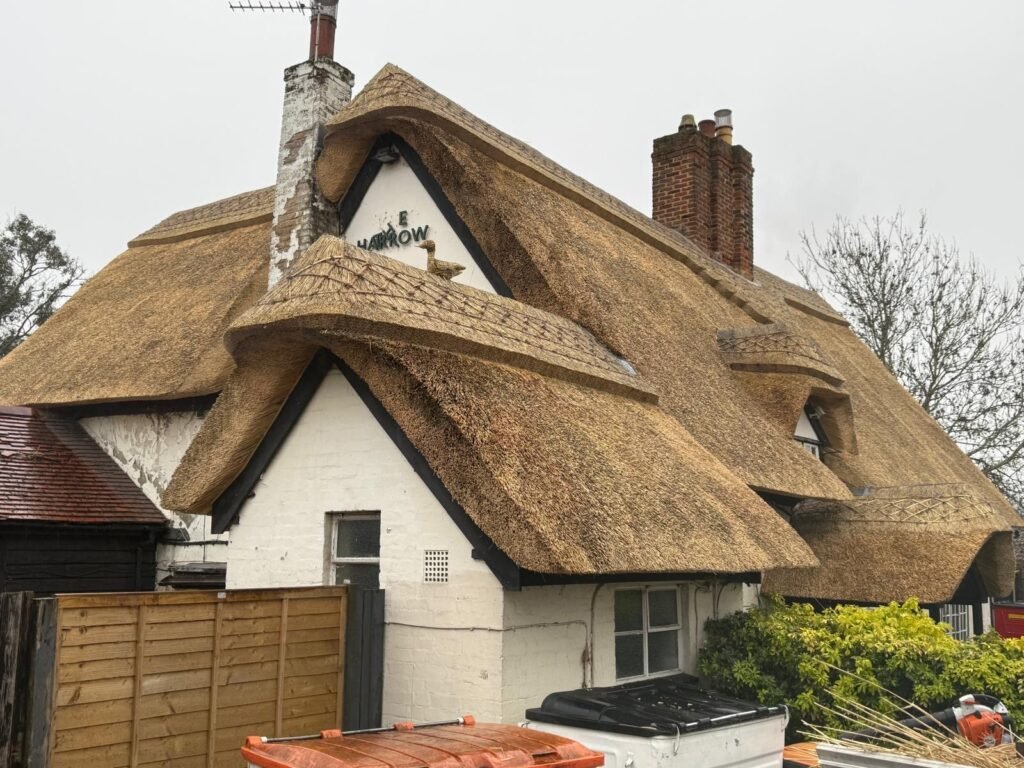
Thatch is not just a roofing choice. It is a long term investment in sustainability.
From renewable sourcing and low carbon impact to energy efficiency and biodegradability, it offers a complete eco friendly solution without compromising on durability or appearance.
For homeowners who want a roof that works with the environment rather than against it, thatch remains one of the most compelling options available.
FAQs
Is thatch a sustainable roofing material?
Yes, thatch is widely considered one of the most sustainable roofing materials available in the UK. It is made from natural crops such as water reed and straw, which can be regrown and harvested on a regular basis. Unlike modern roofing materials, it does not require energy intensive manufacturing processes or synthetic chemicals. In addition, at the end of its lifespan, thatch can be composted or naturally broken down, meaning it does not contribute to long term landfill waste. This combination of renewability, low production impact and biodegradability makes it an excellent choice for environmentally conscious homeowners.
How energy efficient is a thatched roof?
A thatched roof offers excellent natural insulation thanks to its dense layered structure. These layers trap air and create a barrier that helps regulate indoor temperatures throughout the year. In colder months, heat is retained within the property, reducing the need for constant heating. During warmer periods, the roof helps keep excess heat out, maintaining a more comfortable indoor environment. This natural efficiency can lead to reduced energy usage over time, which not only lowers utility bills but also decreases the overall carbon footprint of the home.
How long will a thatched roof last?
The lifespan of a thatched roof depends on the materials used and the quality of installation. Water reed is the most durable option and can last anywhere from 40 to 60 years when properly maintained. Straw based thatch may have a slightly shorter lifespan but can still provide many years of reliable performance. Regular inspections and minor repairs are essential to extending the life of the roof. Working with experienced professionals such as J Challis Master Thatcher helps ensure the roof is installed correctly and maintained to a high standard, maximising its longevity.
Does thatch require a lot of upkeep?
Thatch does require some ongoing care, but it is not as high maintenance as many people assume. Periodic inspections are recommended to check for signs of wear, damage or animal activity. Small repairs can usually be carried out without the need for major work. Over time, the ridge may need replacing more frequently than the main body of the roof, as it is more exposed to the elements. With a consistent maintenance schedule and support from a skilled thatcher, a thatched roof can remain in excellent condition for decades.
Why choose a professional thatcher?
Choosing a professional thatcher is essential to getting the best performance and lifespan from your roof. Thatching is a highly skilled craft that requires experience, precision and an understanding of different materials and techniques. A professional will ensure the roof is installed correctly, with proper layering and weatherproofing, which directly affects its durability and insulation properties. In addition, ongoing maintenance carried out by an expert helps identify potential issues early and prevents costly repairs in the future. Working with a trusted specialist such as J Challis Master Thatcher ensures both quality workmanship and long term value.