
May 5, 2026
Thatching is one of Britain’s oldest roofing crafts with techniques that have been passed down through generations. While the appearance of a thatched roof remains timeless the methods and materials used have evolved significantly. Modern innovations now sit alongside traditional craftsmanship helping preserve historic properties while improving durability and performance.
For homeowners considering a new thatched roof or repairs understanding the differences between traditional and modern thatching techniques can help inform the right choice for their property.
At J Challis Master Thatcher we believe that combining heritage craftsmanship with practical modern methods delivers the best results for today’s homeowners.
What Are Traditional Thatching Techniques?
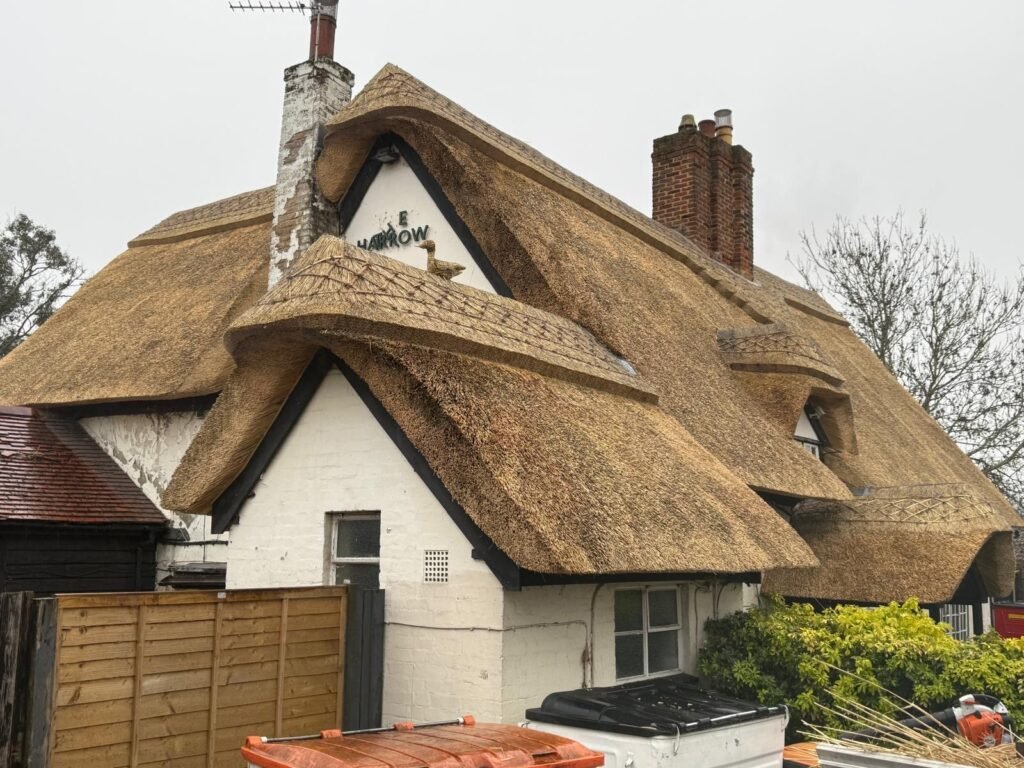
Traditional thatching methods have been used across the UK for centuries. These techniques rely heavily on hand craftsmanship local materials and regional styles.
Traditional thatching commonly uses:
- Long straw
- Combed wheat reed
- Water reed
- Hazel spars for fixing
- Decorative ridge patterns specific to local areas
Historically materials were sourced locally with each region developing its own distinctive appearance. This regional variation remains one of the most charming aspects of thatched buildings today.
Traditional methods often involve:
- Preparing and sorting natural materials by hand.
- Layering bundles carefully to achieve the correct pitch and thickness.
- Fixing materials using wooden spars rather than modern fixings.
- Creating ornamental ridges and decorative features.
These methods preserve the authentic character of listed buildings and heritage properties while maintaining the unique identity of traditional British architecture.
The Benefits of Traditional Thatching
Traditional techniques remain highly valued for several reasons:
Authentic Appearance
Many listed properties require traditional methods to maintain historical accuracy.
Sustainability
Natural materials have a low environmental impact and are often locally sourced.
Excellent Insulation
Thatch naturally helps regulate indoor temperatures keeping homes warm during winter and cooler during summer.
Heritage Preservation
Traditional thatching keeps centuries old skills alive for future generations.
At J Challis Master Thatcher preserving these traditional methods remains central to every project especially when working on period homes and historic buildings.
How Modern Thatching Techniques Have Evolved
Although the foundations of thatching remain largely unchanged modern developments have improved efficiency safety and longevity.
Modern techniques may include:
- Improved roof ventilation systems
- Enhanced fire prevention measures
- Advanced fixings where appropriate
- Better moisture management systems
- Greater consistency in material sourcing
Modern tools also allow for more precise shaping and finishing while maintaining the appearance of traditional craftsmanship.
One of the biggest developments has been the increased focus on roof safety and fire protection. Modern installations often incorporate barriers and recommendations that significantly reduce fire risk while preserving the character of the roof.
Advantages of Modern Thatching Methods
Modern techniques offer several practical benefits:
Increased Longevity
Improved installation methods can help maximise the lifespan of roofing materials.
Better Performance
Modern drainage and ventilation methods can improve roof health over time.
Enhanced Safety
Current building guidance and fire prevention measures provide additional reassurance for homeowners.
Improved Material Selection
Reliable sourcing ensures consistency in quality and durability.
These advancements do not replace traditional craftsmanship. Instead they complement it.
Traditional vs Modern: Which Is Better?
The answer depends entirely on the property and the owner’s priorities.
Traditional techniques may be best for:
- Listed buildings
- Conservation areas
- Heritage restoration projects
- Homeowners seeking complete authenticity
Modern techniques may be preferable for:
- New build thatched homes
- Properties requiring enhanced performance
- Owners focused on longevity and maintenance efficiency
In many cases the ideal solution lies somewhere in the middle.
Experienced master thatchers often blend traditional craftsmanship with carefully selected modern improvements. This balanced approach allows homeowners to enjoy the character of a traditional roof while benefiting from modern knowledge and standards.
At J Challis Master Thatcher every roof is assessed individually to ensure the chosen methods are suited to the age style and requirements of the property.
Choosing the Right Thatcher
Whether opting for traditional or modern techniques selecting an experienced thatcher is essential.
Consider the following:
- Experience with different materials
- Knowledge of regional styles
- Understanding of listed building requirements
- Reputation and portfolio of completed work
- Ability to advise on both traditional and modern solutions
A well executed thatched roof is an investment that can last for decades when properly maintained.
The Future of Thatching
The future of thatching lies in preserving traditional skills while embracing sensible innovation. As sustainability and heritage conservation become increasingly important thatched roofing continues to attract homeowners looking for environmentally responsible and visually stunning roofing solutions.
The craft has survived for hundreds of years because it has adapted while staying true to its roots. Modern techniques are helping ensure that this uniquely British tradition continues to thrive.
At J Challis Master Thatcher we are proud to combine time honoured craftsmanship with modern expertise delivering roofs that honour the past while meeting the needs of today’s homeowners.
Frequently Asked Questions
1. What is the difference between traditional and modern thatching?
Traditional thatching relies entirely on historic methods and natural fixings while modern thatching may incorporate updated safety measures improved ventilation and more consistent material sourcing.
2. Which type of thatch lasts the longest?
Water reed generally offers the longest lifespan often lasting several decades when properly installed and maintained.
3. Are modern thatched roofs safer?
Modern fire prevention measures and improved installation methods can significantly improve the safety of thatched properties.
4. Can traditional and modern methods be combined?
Yes. Many master thatchers use a combination of traditional craftsmanship and modern improvements to achieve the best results.
5. How do I know which approach is right for my property?
The best option depends on the age condition and status of your property. Consulting an experienced company such as J Challis Master Thatcher can help determine the most suitable approach.