
December 23, 2025
Traditional thatching is more than a roofing technique, it’s a craft rooted in centuries of history, skill and connection to nature. At J Challis Master Thatcher, we honour this heritage while delivering roofs that are not only beautiful but built to last. In this post, we’ll explore the key tools and materials used in traditional thatching, why they matter and how they work together to create a resilient, timeless roof.
What Makes Traditional Thatching Special?
Thatching is the art of building a roof from natural vegetation such as straw and water reed. While contemporary roofing materials like tiles and metal are common, thatching stands apart for its sustainability, insulation properties and aesthetic charm. This is particularly on period cottages and heritage buildings across the UK.
However, the success of a thatched roof depends heavily on the right materials and expert use of specialised tools. Let’s break down what goes into every quality thatch.
Key Materials Used in Traditional Thatching
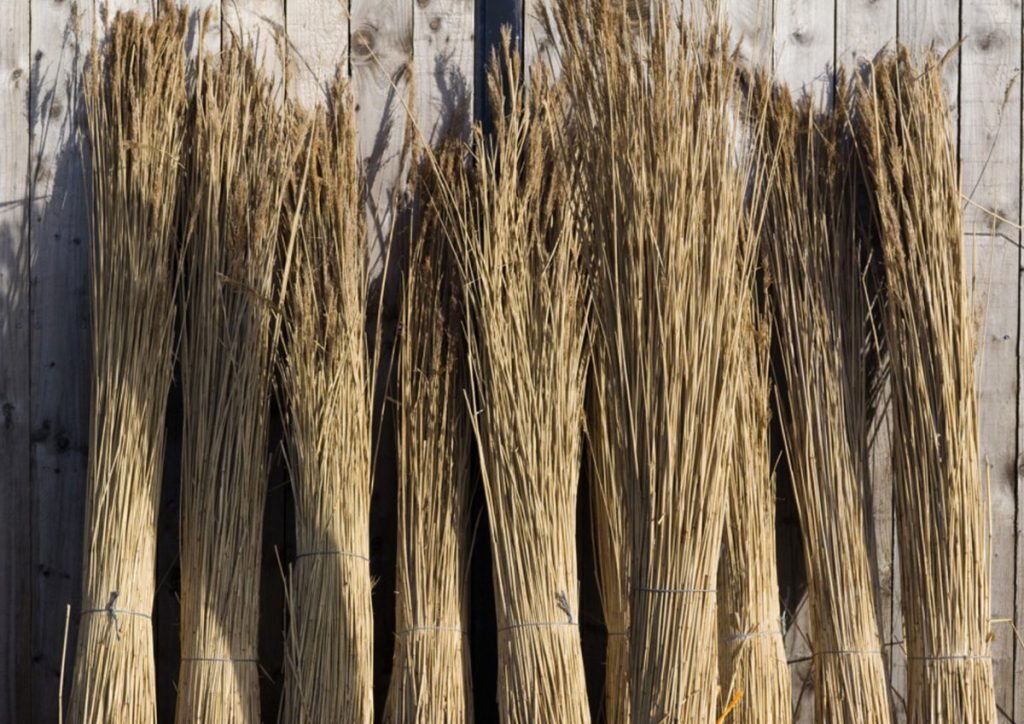
1. Water Reed
Possibly the most popular thatching material in the UK, water reed comes from the aquatic plant Phragmites australis. It’s valued for its durability, often lasting 50 years or more with proper maintenance. Its straight stems naturally lock together to shed water efficiently.
Benefits:
- Long lifespan
- Naturally water-resistant
- Strong and dense thatch
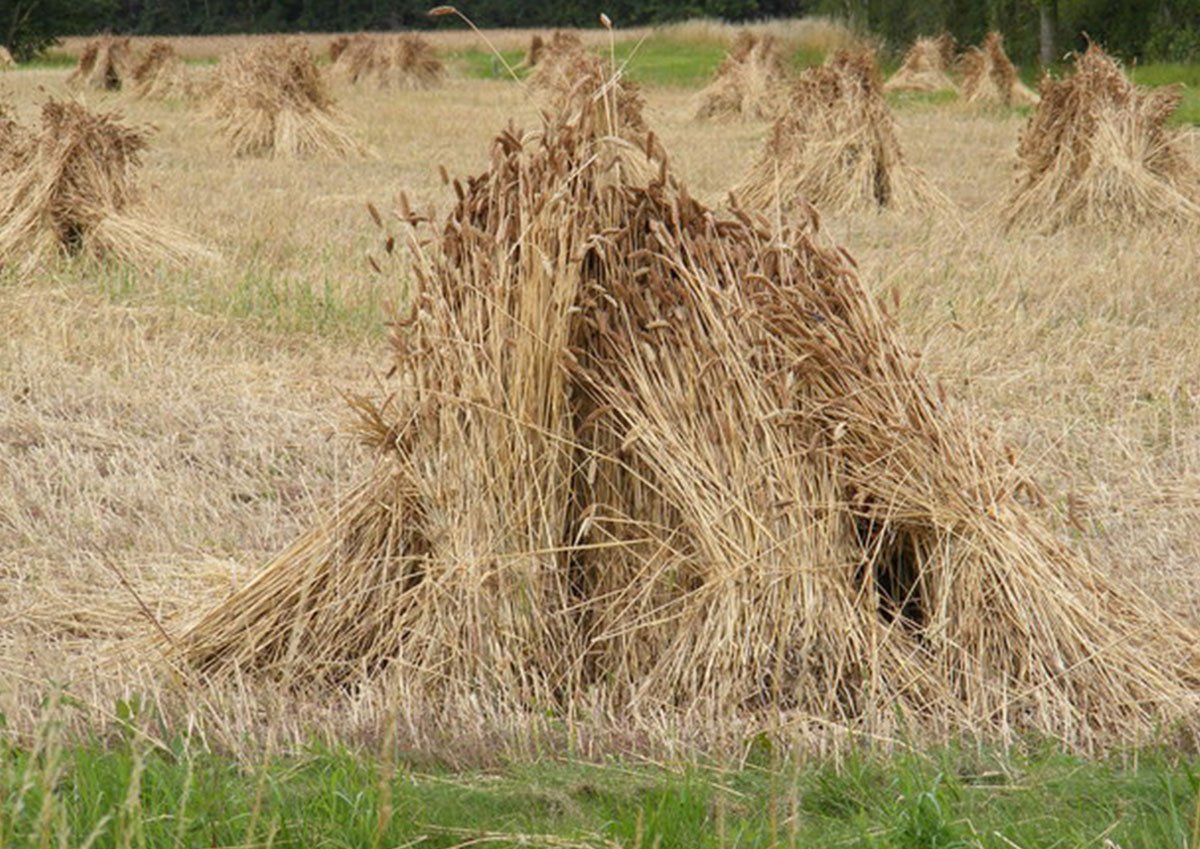
2. Long Straw
A traditional favourite especially in rural areas, wheat straw has a warm, golden finish. It doesn’t last as long as water reed (typically 15–25 years), but it offers character and historic authenticity.
Benefits:
- Beautiful golden appearance
- Good insulation properties
- Ideal for period restorations
3. Combed Wheat Reed
Not actually a reed, this is a refined form of wheat straw prepared for thatching. Fibres are combed to align and remove short pieces, making it easier to work with and resulting in a neat, articulate finish.
Benefits:
- Improved finish
- Easier Dressing
- Strong weather performance
4. Spar and Twine
Spar, usually hazel rods and natural twine are used to secure the thatch bundles to the roof. Modern alternatives like galvanised wire or synthetic twine are sometimes used for longevity, but many traditionalists stick with natural materials.
Essential Tools of the Thatcher’s Trade
1. Leggett / Thatching Knife
A Leggett is a tool that comes in many different shapes and sizes and can be completely different from thatcher to thatcher. Some older Leggetts are made entirely of wood with grooves cut out so that is grips with the thatch. Others are made with horseshoe nails used for dressing and shaping the straw or reed into place. One of our Leggetts is made with a wooden back and copper rings to achieve the same grippy texture on the face of the tool.
2. Mallet
Used for tapping and positioning spars and fixings without damaging the reed or straw. The mallet allows the thatcher to apply controlled force when securing layers and tightening work, helping achieve a firm, even finish while protecting the natural materials.
3. Rake & Shears
After the bundles are fixed, thatcher’s use a rake to tease canopy fibres into place and shears to trim the outer face. This creates the characteristic clean, finished surface.
4. Pen Knife – This is simply used for cutting string and straw. Fits in your pocket and light to carry, when you’re up on a roof.
Why These Materials & Tools Matter
Traditional thatching is a craft where every component plays a role:
- Natural materials like water reed and wheat straw offer excellent thermal insulation, helping keep homes cool in summer and warm in winter.
- The right tools allow thatcher’s to form tight, weather-resistant layers, essential in the wet British climate.
- Proper technique ensures that water sheds quickly and that moss or rot are less likely to take hold.
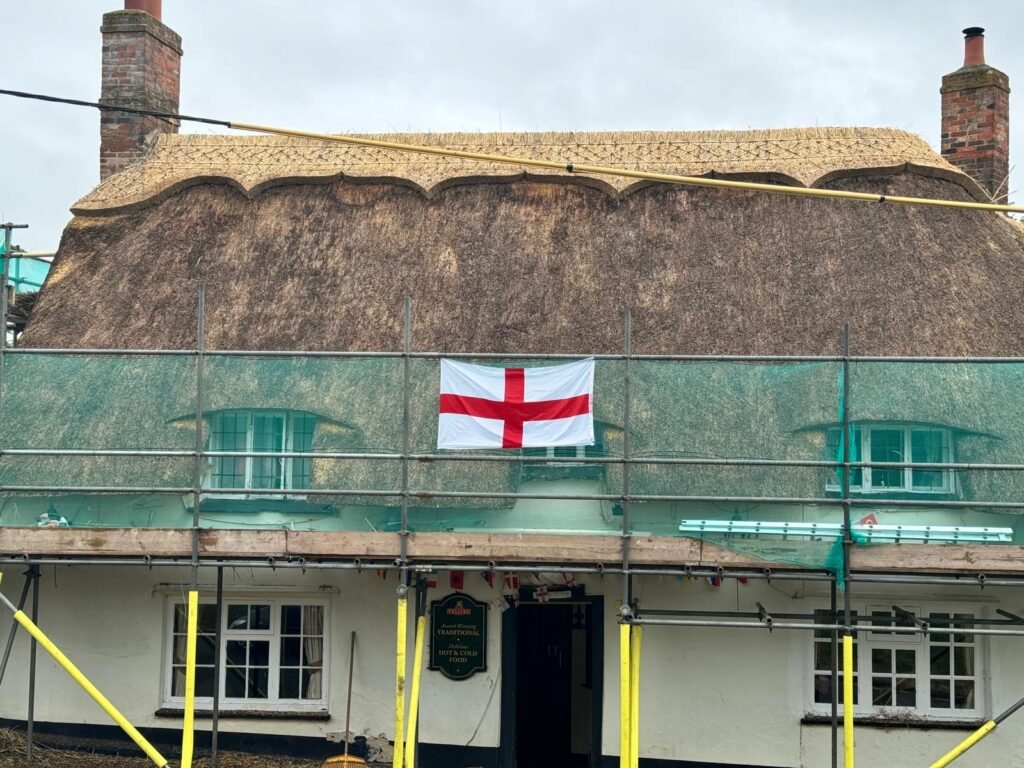
This harmony of materials and skill is why thatched roofs can endure for decades, transforming a home into a landmark of British heritage.
Frequently Asked Questions (FAQs)
1. How long does a thatched roof last?
The lifespan varies by material. Water reed can last up to 50+ years, while wheat straw typically lasts 15–25 years with good maintenance.
2. Is thatching suitable for modern homes?
Yes! Thatching can be adapted to modern homes, but planning permission and building regulation approval may be required in some areas.
3. How weather-proof is a thatched roof?
Very weather-proof. The natural materials are layered densely, allowing water to run off quickly while providing excellent insulation.
4. Can you walk on a thatched roof?
Generally, walking on a thatched roof is avoided unless absolutely necessary. The thatch is dense but can be damaged if stepped on incorrectly.
5. Is thatching environmentally friendly?
Absolutely. Thatching uses renewable, biodegradable materials and requires less energy to produce compared with many modern roofing materials.
If you’re considering a new thatched roof or want to learn more about how we work at J Challis Master Thatcher, feel free to reach out.
We’d be delighted to help preserve your home’s heritage with expert craftsmanship.