

February 3, 2026
When it comes to thatched roofing, the choice of material plays a crucial role in determining not only the appearance of a property but also its longevity, maintenance requirements and overall performance. In the UK, the three primary thatching materials are water reed, long straw and combed wheat reed. Each has its own unique characteristics, benefits and ideal applications.
In this guide, we break down the key differences between these materials to help homeowners, property developers and conservation specialists make an informed decision.
Understanding the Three Main Thatching Materials
Before comparing them directly, it is important to understand what each material is and how it is produced.
Water Reed
Water reed is a natural wetland plant, often referred to as Norfolk reed or continental reed. It is widely regarded as the most durable thatching material available today.
This material is harvested from marshy environments and is known for its dense, hard stems. When applied to a roof, the reeds are tightly packed, creating a clean and uniform finish.
Water reed is commonly used across Europe and has become increasingly popular in the UK due to its long lifespan and cost effectiveness over time.
Long Straw
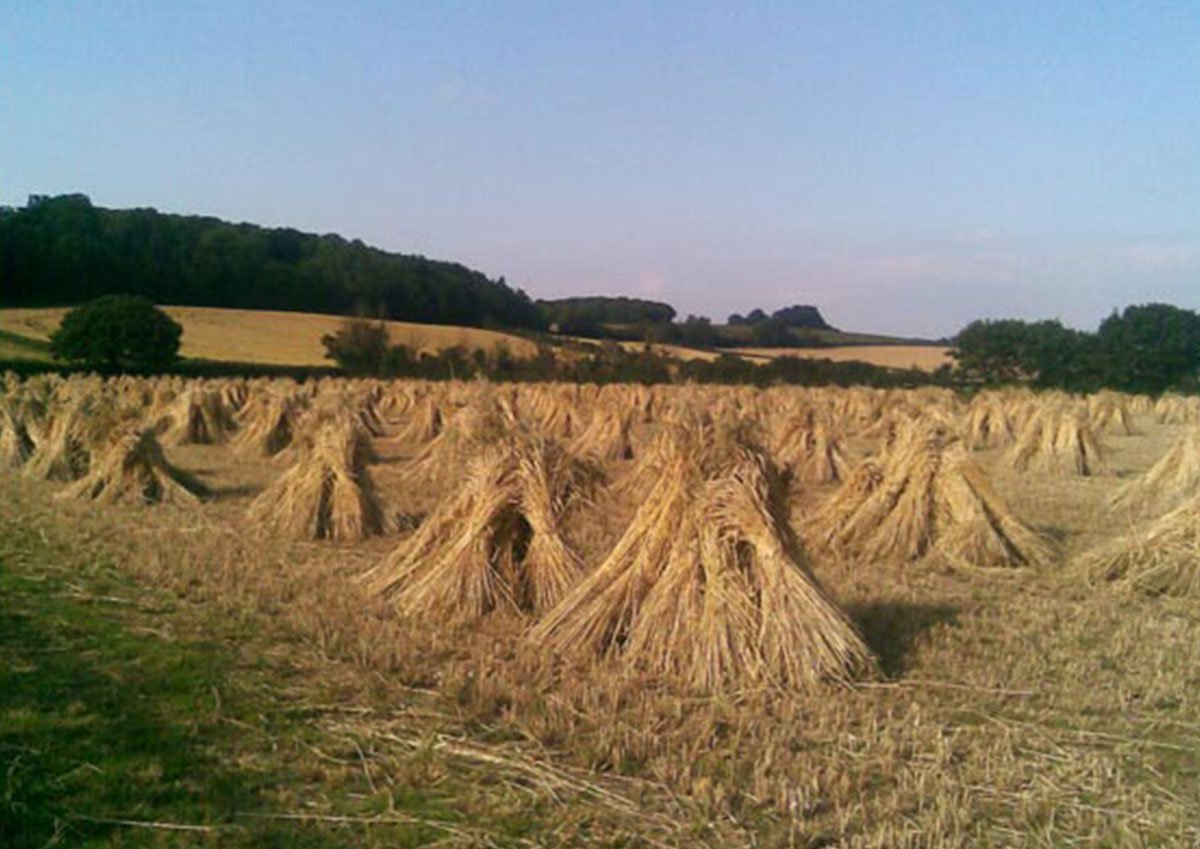
Long straw is a traditional thatching material made from specially grown wheat straw. Unlike modern agricultural straw, which is often too short, long straw is cultivated specifically for roofing purposes.
This material is prepared by threshing rather than combing, meaning the straw retains its natural structure, including ears and leaves. The result is a softer, more textured finish when applied to a roof.
Long straw roofs are often associated with historic cottages and are particularly important in conservation areas where maintaining a traditional appearance is essential.
Combed Wheat Reed
Combed wheat reed, sometimes referred to as Devon reed, is another straw based material. It is produced by combing wheat straw to remove leaves, grain and shorter fibres, leaving long, straight stems.
This process creates a more refined and uniform material compared to long straw. It is typically used for both full roofs and ridges, offering a balance between durability and traditional aesthetics.
Key Differences at a Glance
While all three materials serve the same purpose, their differences become clear when comparing durability, appearance and installation methods.
1. Lifespan and Durability
One of the most important factors when choosing a thatching material is how long it will last.
- Water Reed: Typically lasts between 30 to 50 years or more with proper maintenance, making it the most durable option.
- Combed Wheat Reed: Offers a lifespan of around 25 to 35 years.
- Long Straw: Generally lasts between 15 to 25 years, although high quality work can extend this.
Water reed clearly stands out for longevity, which is why it is often chosen for new builds or homeowners seeking a long term solution.
2. Appearance and Aesthetic Style
The visual finish of a thatched roof can significantly affect the character of a property.
- Water Reed: Produces a neat, crisp and sharply defined finish with straight lines.
- Combed Wheat Reed: Offers a smoother, slightly softer appearance with a rounded feel.
- Long Straw: Creates a more rustic, textured look, with visible straw ends and a softer appearance.
For period properties, particularly listed buildings, the choice of material is often dictated by historical accuracy rather than personal preference.
3. Installation and Application
Each material is applied differently, which affects both cost and complexity.
- Water Reed: Typically requires stripping the roof back to the rafters before rethatching.
- Combed Wheat Reed: Applied in aligned bundles, allowing for a tidy and consistent finish.
- Long Straw: Often laid over an existing base coat, making it a more traditional and less invasive method.
Long straw is generally the most labour intensive to prepare, which can increase installation costs despite its shorter lifespan.
4. Maintenance Requirements
All thatched roofs require ongoing care, but the level of maintenance varies.
- Water Reed: Requires less frequent replacement but cannot be patched as easily. Repairs are usually carried out in sections.
- Combed Wheat Reed: Easier to repair and maintain due to its softer structure.
- Long Straw: More susceptible to weathering and bird damage, requiring more regular attention.
In addition, regardless of material, ridges typically need replacing every 10 to 15 years.
5. Cost Considerations
Cost is influenced by both initial installation and long term maintenance.
- Water Reed: Higher upfront cost but more cost effective over time due to its longevity.
- Combed Wheat Reed: A mid range option offering a balance of durability and cost.
- Long Straw: Can be more expensive to install due to labour intensity, despite its shorter lifespan.
For homeowners, the best value option often depends on how long they plan to stay in the property.
6. Suitability for Different Properties
The choice of material is not always purely practical. It can also be influenced by planning regulations.
- Water Reed: Commonly used for new builds and modern thatched homes.
- Combed Wheat Reed: Widely used across England and suitable for many traditional properties.
- Long Straw: Often required for listed buildings to preserve historical authenticity.
Changing the material on a listed property typically requires planning consent, as it can significantly alter the building’s character.
Which Thatching Material Is Right for You?
Choosing between water reed, long straw and combed wheat reed ultimately depends on your priorities:
- If longevity and low maintenance are key, water reed is the best choice.
- If you want a balance of tradition and durability, combed wheat reed is ideal.
- If maintaining historic authenticity is essential, long straw is often required.
Each material has its place within the UK’s thatching tradition, and selecting the right one ensures both the preservation and performance of your roof.
FAQs
1. Which thatching material lasts the longest?
Water reed is the most durable option and can last 30 to 50 years or more with proper maintenance.
2. Why is long straw still used if it has a shorter lifespan?
Long straw is often required for listed buildings and conservation projects because it preserves the traditional appearance and historical accuracy of the property.
3. Is combed wheat reed the same as water reed?
No, combed wheat reed is made from straw, not reed. It is processed differently and has a softer appearance and slightly shorter lifespan.
4. Can you change the material on a thatched roof?
In some cases, yes. However, for listed buildings, planning permission is usually required as changing materials can alter the character of the property.
5. Which material is the most cost effective?
Water reed is generally the most cost effective over time due to its long lifespan, even though it may have a higher upfront installation cost.