
September 18, 2026
7 Things to Check in November
November marks the point in the year when autumn starts to give way to winter. For homeowners with a thatched roof, it is a good time to think about how well the roof is prepared for the wetter, colder and windier months ahead.
A well-maintained thatched roof can provide excellent protection for your home for many years, but regular checks and timely maintenance are important. Winter weather can expose small weaknesses in a roof, particularly where thatch is already beginning to wear.
At J Challis Master Thatcher, we have been caring for thatched roofs across the South of England since 2006. From minor repairs and maintenance to re-ridging and complete re-thatching, we understand the importance of identifying problems before they become more serious.
Here are seven things to check on your thatched roof this November.
1. Check the condition of the ridge
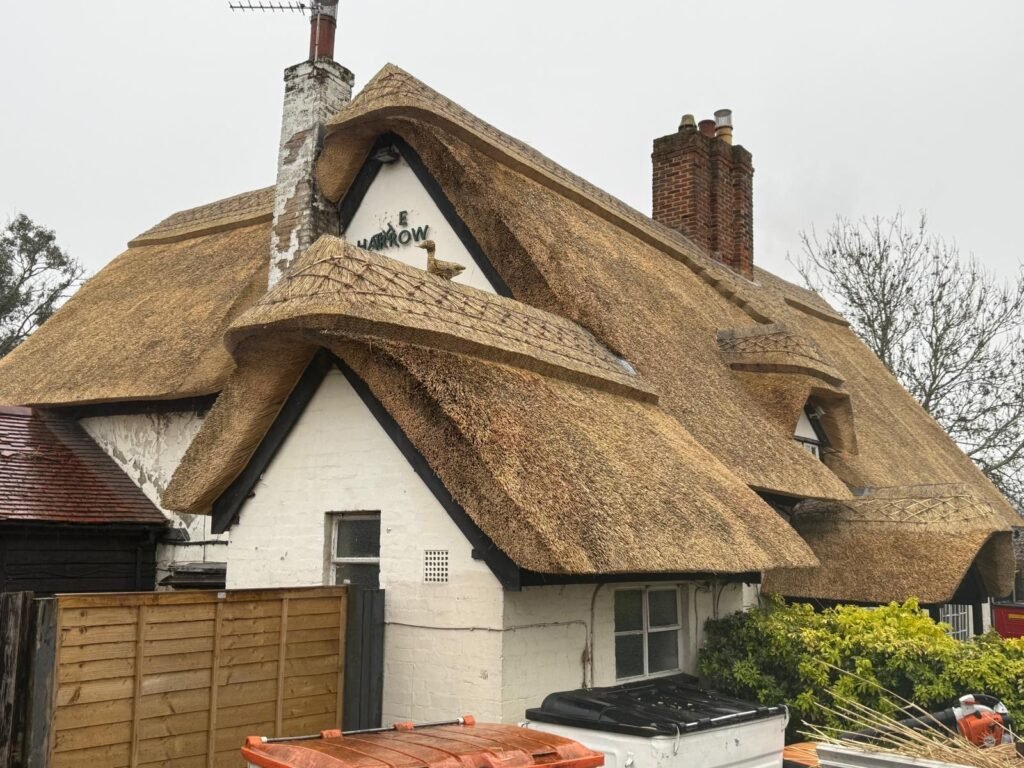
The ridge is one of the most exposed parts of a thatched roof and naturally experiences considerable wear over time.
From ground level, look for obvious signs that the ridge is becoming worn, uneven or damaged. You may also notice areas where the material appears loose or where the definition of the ridge has started to deteriorate.
A traditional thatched ridge generally needs replacing before the main coat of the roof. J Challis Master Thatcher recommends re-ridging after the first 10 to 15 years, although the exact timing depends on the roof and its condition.
If you are unsure about the condition of your ridge, a professional inspection can help establish whether maintenance is needed.
2. Look for signs of worn or thinning thatch
November is also a useful time to look at the overall condition of the roof.
You should not climb onto a thatched roof yourself, but from ground level you may be able to spot areas that look noticeably thinner, uneven or worn. You may also see sections where the surface has become more exposed to the weather.
Small areas of deterioration do not necessarily mean that you need a complete re-thatch. In many cases, repairs or maintenance may be enough to extend the life of the existing roof.
The important thing is to identify problems early and have them assessed by an experienced thatcher.
3. Keep an eye on moss and debris
Autumn leaves, moss and other organic debris can accumulate on a roof as the weather becomes wetter.
Moss can retain moisture against the surface of the thatch and excessive growth can contribute to deterioration over time. J Challis Master Thatcher notes that excessive moss can be detrimental to the lifespan of a thatched roof and offers professional moss removal as part of its thatching services.
Avoid aggressive scraping or attempting to clean large areas of thatch yourself. The surface of a thatched roof needs to be treated carefully to avoid unnecessary damage.
If moss has become a noticeable problem, it is worth asking a professional thatcher for advice.
4. Check for signs of water getting in
Heavy winter rain can quickly highlight weaknesses that may have gone unnoticed during the drier months. Inside the property, look for signs such as damp patches, staining, musty smells or water ingress around the roof. Externally, obvious gaps or areas of deterioration may indicate that the roof needs attention.
A leak does not automatically mean the entire roof needs replacing. The cause should be properly investigated before deciding what work is required.
Early repairs can help prevent a relatively small issue from developing into more extensive damage.
5. Make sure water can drain away properly
Good drainage is important for any roof, including thatch.
Check that gutters, downpipes and other drainage routes around the property are clear of leaves and debris. Blocked drainage can result in water overflowing against areas of the building where it should not be.
If your property has valleys or other areas where leaves and debris tend to collect, these are worth paying particular attention to during autumn and winter.
Where access is difficult or the roof itself needs inspection, it is best to use a professional rather than attempting the work yourself.
6. Pay attention to the chimney
For homes with open fires, wood burners or other heating appliances, the chimney deserves particular attention during the colder months.
A chimney and thatched roof should be considered together rather than as completely separate parts of the property. Chimney height, condition and the way the roof is constructed can all be relevant to fire safety.
If you have concerns about your chimney or fire safety, seek advice from the appropriate qualified professionals and an experienced thatcher where the roof is involved. J Challis Master Thatcher also offers fire boarding as an option when a thatched roof is stripped back to the timbers during refurbishment.
7. Consider a professional thatched roof inspection
Perhaps the most useful thing you can do this November is arrange an inspection if you have concerns about the condition of your roof.
A professional thatcher can identify issues that may not be obvious from ground level and advise whether your roof needs repairs, re-ridging, maintenance or more substantial work.
This is particularly worthwhile if your roof is getting older or you cannot remember when it was last professionally checked. J Challis Master Thatcher offers maintenance programmes for older roofs, helping homeowners monitor their condition over time.
Why November is a good time to check your thatched roof
There is no need to wait for a leak or obvious damage before arranging an inspection.
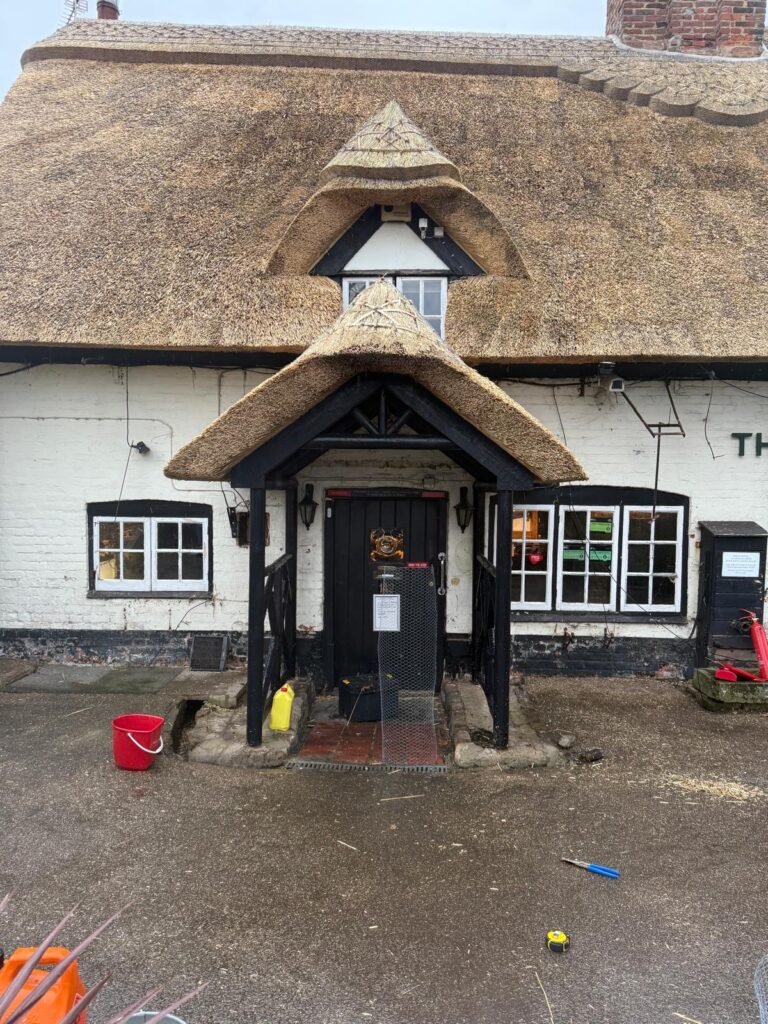
Getting your thatched roof checked before winter is about being proactive. Strong winds, heavy rain and freezing temperatures can all put additional pressure on a roof that is already showing signs of wear.
It is also worth remembering that different types of thatch have different expected lifespans. Water reed, combed wheat reed and long straw all behave differently and the condition of a roof depends on factors including its construction, position, weather exposure and maintenance history.
At J Challis Master Thatcher, every roof is assessed individually. Whether your property needs a small repair, a new ridge, ongoing maintenance or a complete re-thatch, the right approach depends on the roof itself.
Keep your thatched roof ready for winter
A thatched roof is more than just a covering for your home. It is an important part of the character and heritage of many traditional properties across the South of England.
Taking a little time to check its condition each year can help you spot potential problems early and keep your roof performing as it should.
If you are concerned about the condition of your thatched roof, J Challis Master Thatcher provides professional thatching services including repairs, re-ridging, maintenance and full re-thatching across Berkshire, Hampshire, Oxfordshire, Wiltshire, Buckinghamshire and surrounding areas.
Contact the team to arrange an assessment and find out what your thatched roof may need before winter is fully underway.
FAQs
How often should a thatched roof be inspected?
There is no single inspection schedule that suits every roof. The age, material, condition and exposure of the roof should all be considered. Older thatched roofs can benefit from periodic professional inspections to identify problems before they become more serious.
How do I know if my thatched roof needs repairing?
Signs can include visible thinning, worn or uneven areas, a deteriorating ridge, leaks, damp inside the property or noticeable movement in the thatch. If you are unsure, an experienced thatcher can assess the roof and recommend the most appropriate solution.
Does moss damage a thatched roof?
Excessive moss can retain moisture and may contribute to deterioration of the thatch. Light growth does not necessarily mean that a roof needs major work, but significant moss should be assessed and removed using an appropriate method that does not damage the roof.
Does a worn ridge mean I need a complete re-thatch?
Not necessarily. The ridge generally wears out sooner than the main coat of a thatched roof and can often be replaced without completely re-thatching the property. J Challis Master Thatcher carries out re-ridging as part of its thatching services.
How long does a thatched roof last?
The lifespan depends on the type of thatch, the roof’s construction, its exposure to the weather and how well it is maintained. Water reed, combed wheat reed and long straw have different typical lifespans, so a professional assessment is the best way to understand the condition of an individual roof.