
August 20, 2026
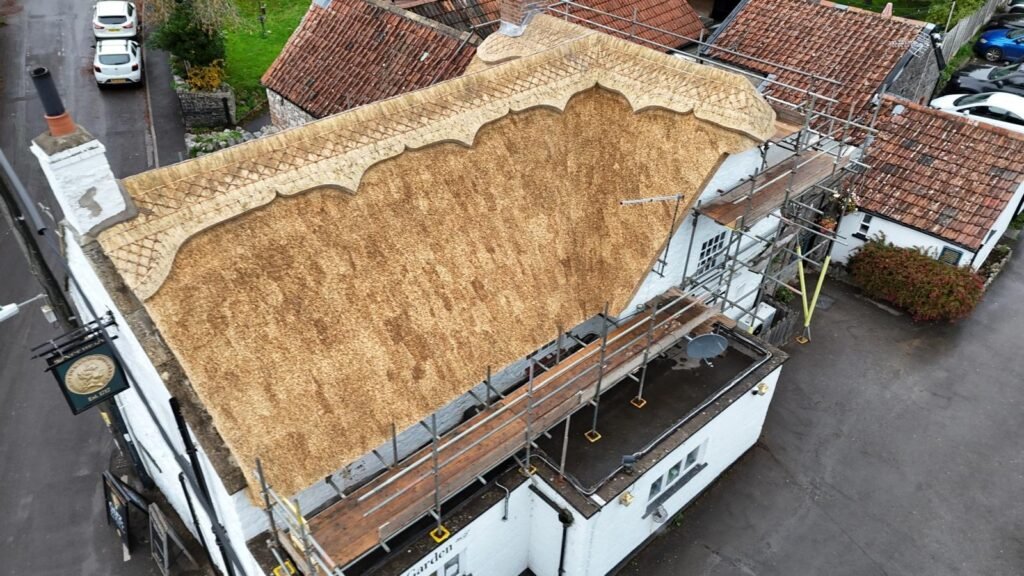
Owning a thatched property can be a wonderful part of living in a historic home, but maintaining or altering a thatched roof can involve more than simply arranging for a thatcher to carry out the work. Depending on the property, its location and the proposed work, you may need planning permission, Listed Building Consent or Building Regulations approval.
For owners of historic and listed properties, understanding the requirements before work begins can help avoid delays, unexpected costs and potentially serious problems later.
At J Challis Master Thatcher, we work with owners of traditional thatched properties and understand the importance of using appropriate materials and techniques when maintaining an historic roof.
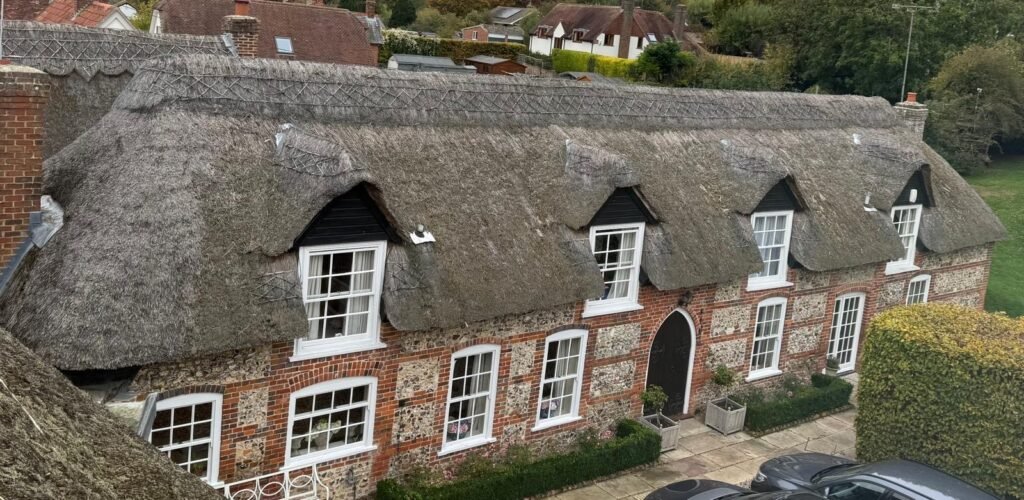
Do I need planning permission for a thatched roof?
Not every repair to a thatched roof requires planning permission. However, the requirements can change depending on whether the property is listed, located within a conservation area or whether the proposed work involves changes to the building.
For a standard thatched property, routine maintenance or like-for-like repairs may not require planning permission. However, larger alterations, structural changes or changes to the appearance of the building may require an application to the local planning authority.
If the property is listed, the situation is more sensitive. Listed Building Consent may be required for works that affect the character or special architectural or historic interest of the building. Historic England recommends checking with the local planning authority before undertaking work.
Common work that may require consideration includes:
- Complete re-thatching
- Changing the type of thatch used
- Removing historic layers of thatch
- Changing the shape, pitch or structure of the roof
- Altering chimneys, dormers or roof features
- Adding rooflights
- Changing traditional detailing
- Structural alterations to the roof
The exact requirements depend on the property and the proposed work, so it is always sensible to establish what permissions are required before work begins.
What is Listed Building Consent?
Listed Building Consent is a separate form of heritage consent that may be required when making changes to a listed building.
Being listed does not mean that you cannot repair or improve your property. Instead, the purpose of the consent system is to ensure that changes respect the building’s architectural and historic significance.
Historic England states that works affecting the character of a listed building generally require Listed Building Consent. Carrying out unauthorised work to a listed building can have serious consequences, so owners should speak to their local planning authority before starting work.
For a thatched listed building, this can be particularly important because the roof itself may form an important part of the property’s historic character.
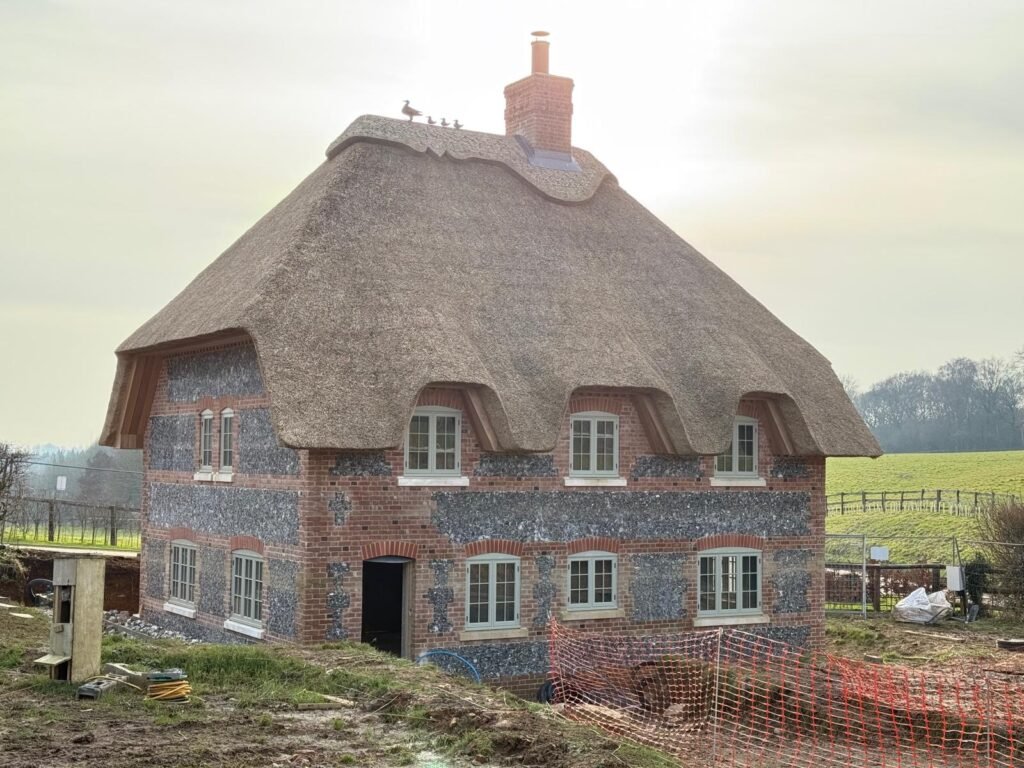
Does re-thatching a listed building require consent?
It depends on the nature of the work.
Historic England guidance explains that certain minor works to traditional thatched roofs, such as localised patching using matching materials or re-ridging using the same material, fixings and style, are unlikely to require Listed Building Consent.
However, more substantial works can require consent. Changing from one type of thatch to another, for example from long straw to combed wheat reed or from combed wheat reed to water reed, can affect the historic significance of a building and may require Listed Building Consent.
| Thatched roof work | Permission may be required? |
|---|---|
| Localised patch repair using matching materials | Usually less likely |
| Re-ridging using the same material and style | Usually less likely |
| Like-for-like maintenance | Depends on the property |
| Complete re-thatching | Check with the local authority |
| Changing the type of thatch | Listed Building Consent may be required |
| Removing historic basecoats | Check before starting |
| Changing roof structure or shape | Consent may be required |
| Adding rooflights | Consent may be required |
This is why discussing the proposed work with the relevant authority before starting is important.
Why does the type of thatch matter?
Traditional thatch is not simply a generic roofing material. Different regions have developed their own materials, techniques and detailing over many generations.
Historic England recommends using materials and methods that are appropriate to the region, particularly when working on listed buildings. Historic layers of thatch can also have archaeological and historic value, meaning that removing them should not automatically be treated as part of a routine re-thatching project.
For example, replacing a traditional long straw roof with water reed might alter the appearance and character of a historic property. In some circumstances, a local authority may therefore require an application explaining why the proposed material is appropriate.
Before making changes, it is worth considering:
- What type of thatch is currently on the building?
- Is it traditional to the local area?
- Are historic layers present?
- Can the existing roof be repaired rather than completely stripped?
- Is the proposed material compatible with the building?
- Does the proposed work alter the roof’s historic appearance?
What information might be needed for a listed building application?
If Listed Building Consent is required, the local planning authority will need enough information to understand the existing roof and the proposed work.
This can include details about the existing thatch, proposed materials, the method of work and any changes to the roof structure or detailing.
For changes to thatching materials, Historic England recommends providing information about why the change is necessary, whether repair or temporary protection could be used instead and exactly what material and construction method is proposed.
A specialist thatcher can therefore be an important source of information when preparing for the application.
What about Building Regulations?
Planning permission and Listed Building Consent are not the same as Building Regulations approval.
Depending on the scale and nature of the work, Building Regulations may also need to be considered. For example, structural alterations to a roof or significant changes to the roof covering can trigger Building Regulations requirements.
The best approach is to establish all relevant requirements before work begins rather than assuming that one form of permission covers everything.
Planning ahead for thatched roof work
If your thatched property needs work, start the process early.
A sensible approach is to:
- Check whether the property is listed.
- Contact your local planning authority or Conservation Officer.
- Establish whether Listed Building Consent or planning permission is required.
- Ask an experienced thatcher to assess the roof.
- Identify the existing thatch material and traditional detailing.
- Consider whether repair is possible instead of complete re-thatching.
- Prepare the required information before submitting an application.
- Wait for the relevant consent before starting work.
Historic England also recommends discussing proposals with the local authority at an early stage, as this can help identify what information is required and whether the proposed work is likely to be acceptable.
Get advice before work begins
Planning and permissions for thatched and listed buildings can seem complicated, particularly when an apparently straightforward roof repair involves historic materials or construction methods.
The important thing is not to assume that all thatching work is treated in the same way. The property’s listed status, location, existing roof construction, materials and proposed work can all affect what permissions are needed.
At J Challis Master Thatcher, we understand the importance of approaching traditional thatched roofs with care. Whether you are planning maintenance, repairs or a complete re-thatch, getting specialist advice at an early stage can help you understand the condition of your roof and plan the work appropriately.
If you own a thatched or listed property and are considering roof work, speak to the relevant local planning authority before starting and seek advice from an experienced thatcher familiar with traditional buildings.
FAQs
1. Do I need planning permission to re-thatch a house?
Not necessarily. The requirements depend on the property, its location and the nature of the work. If the building is listed, Listed Building Consent may be required for work that affects its historic or architectural character. Always check with your local planning authority before starting.
2. Does a listed building always need Listed Building Consent for thatching?
No. Some minor repairs using matching traditional materials may not require Listed Building Consent. More substantial work or changes to materials, detailing or construction may require consent. Historic England recommends checking with the local authority before work begins.
3. Can I change from one type of thatch to another?
Changing the type of thatch on a listed building can require Listed Building Consent because the material may contribute to the property’s historic significance. For example, changing from long straw to water reed can require consent.
4. Can historic thatch be removed during a re-thatch?
Historic layers of thatch can contain important evidence about a building’s history and construction. They should not automatically be removed as part of a re-thatching project. If you are considering stripping historic layers from a listed building, seek professional and planning advice first.
5. Who should I speak to before repairing a listed thatched roof?
Start by contacting your local planning authority or Conservation Officer to establish what permissions are required. You should also speak to an experienced thatcher who understands traditional materials, construction methods and listed buildings. J Challis Master Thatcher can help assess the roof and advise on appropriate thatching work.